
A Chance Encounter at Villa Nellcôte
- Jameson Farn

- 2 hours ago
- 3 min read

Yesterday was one of those quiet Riviera mornings that feels almost staged—soft light, calm sea, and the kind of stillness that only exists before the season fully wakes up.
Walking back home from Villefranche-sur-Mer yesterday, I took the seaside route along the beach toward Beaulieu-sur-Mer, skirting the edge of Saint-Jean-Cap-Ferrat where a row of extraordinary waterfront villas sits quietly behind walls and hedges. The kind of homes that don’t announce themselves—and don’t need to.
As I approached the gates of Villa Nellcôte, I noticed a middle-aged couple and their son lingering just outside. They were doing their best to casually peer through the tightly black screened entrance of the majestic gates, searching for a glimpse—any glimpse—of what lay beyond.

It was innocent enough. Curious, even endearing.
They saw me walking by and stiffened slightly, like they’d been caught in the act. I smiled, pointed at the gate, and said, “Rolling Stones?”
Instant recognition. Big smiles. “Yes.”
They had come all the way from North America, they told me. This was one of the stops they had to see.
We fell into conversation.
They asked if I lived nearby and thought it must be amazing..it is. They wondered about the property—how big it was, whether you could see it from the main beach (a bit), and if there was any better vantage point (only while on the sea, really).
They knew a little. But not the full story.
So I filled in the gaps where I could from my knowledge and experiences here. And as I did, you could see it happen—that moment when a place shifts from “nice villa behind a gate” to something far more layered, far more alive.
A Mansion Built for Wealth—Not for History

Long before it became legend, Villa Nellcôte was simply a statement of Riviera ambition.
Built in 1899 during the Belle Époque, originally named Château Amicitia, it was designed for grandeur: marble columns, symmetry, and sweeping views over the bay. It passed through the hands of financiers and shipping magnates, each adding polish but little noise.
Like many properties along this coastline, it picked up whispers over time—wartime stories, rumors, embellishments. But nothing that would define it.
Not yet.
When The Rolling Stones Moved In and Everything Changed

That came in 1971, when Keith Richards rented the villa.
At the time, the band had effectively fled Britain, dodging punishing tax rates and scattering across the south of France. Richards chose Nellcôte—not for practicality, but for privacy.
What followed was anything but quiet.

The basement became a recording studio—humid, makeshift, and far from ideal. Yet between June and August of that year, the band created much of what would become Exile on Main St..
But the music was only part of it.
The villa turned into a kind of gravitational center for chaos:
A steady stream of visitors drifting in and out
Long, disjointed nights of recording
Drug use that blurred time and structure
Equipment disappearing—some stolen, some simply lost to the haze
It was disorganized, excessive, and completely uncontained.
And somehow, it worked.
What came out of that basement would go on to become one of the most revered albums in rock history—raw, unpolished, and impossible to replicate.

Richards’ chapter at Nellcôte didn’t end cleanly. Legal troubles caught up with him, culminating in a 1973 conviction in Nice and a temporary ban from France. The era closed as abruptly as it had begun.
Back Behind the Curtain
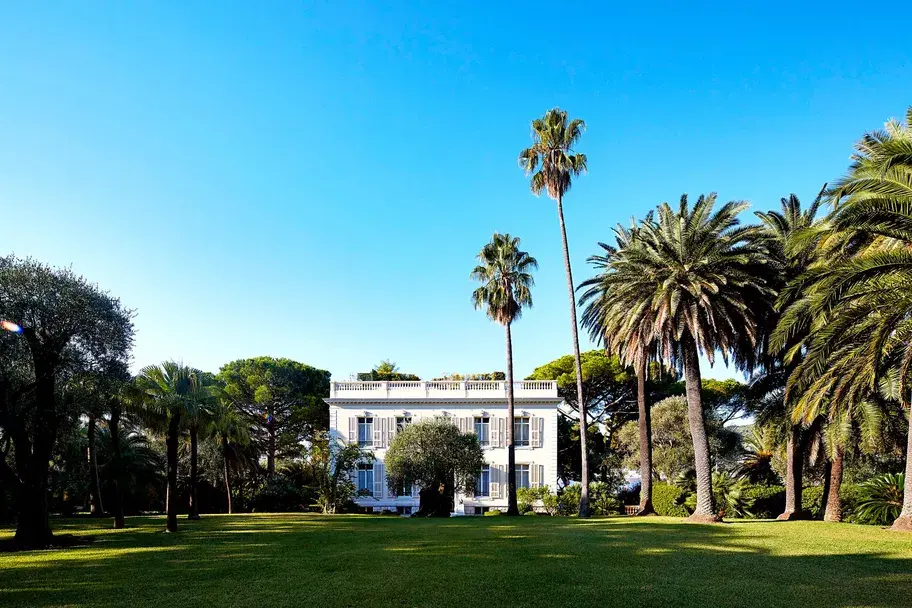
After the Stones left, Nellcôte slipped back into its default state: private, guarded, and largely unseen.
No reinvention. No museum conversion. No guided tours.
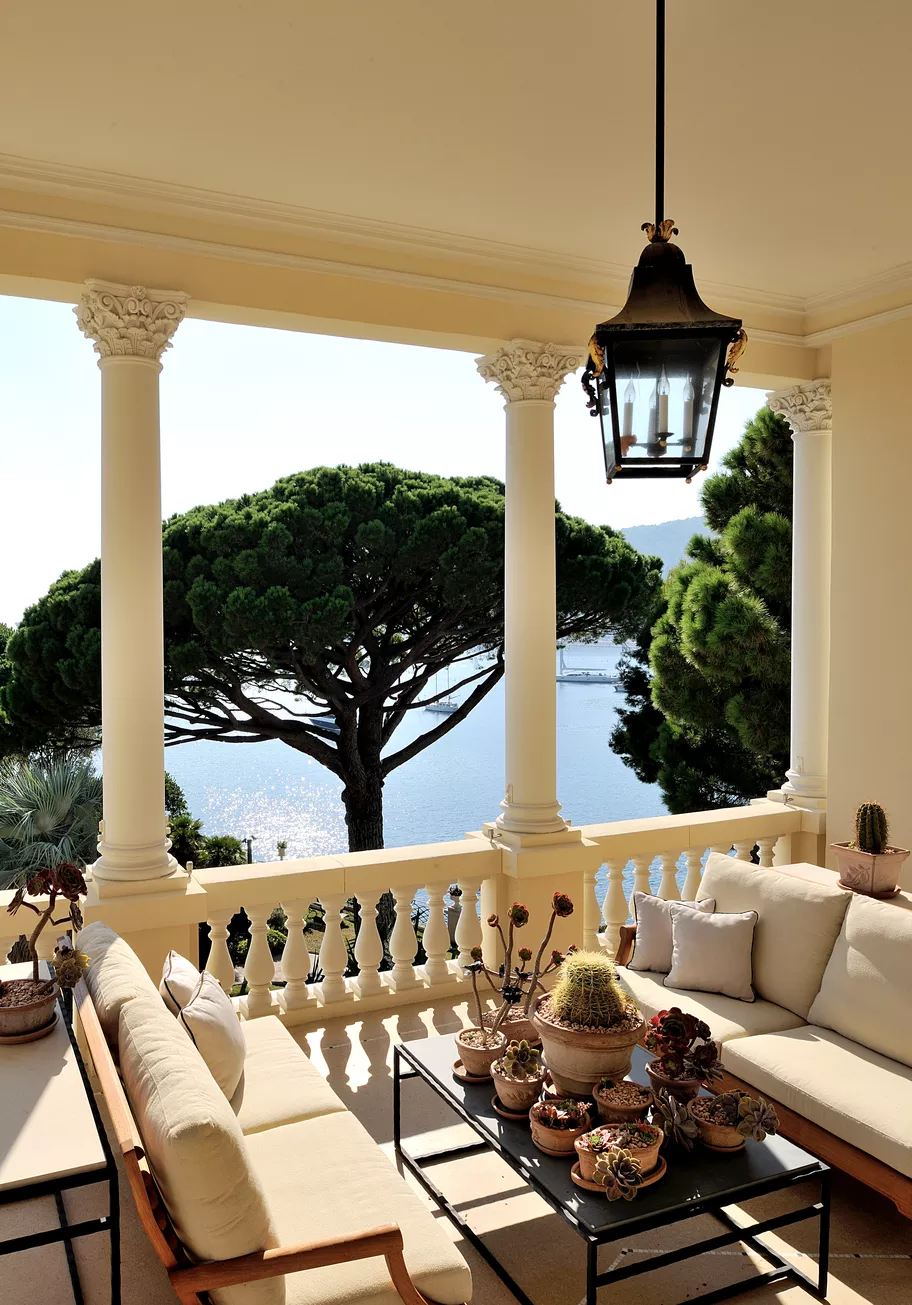
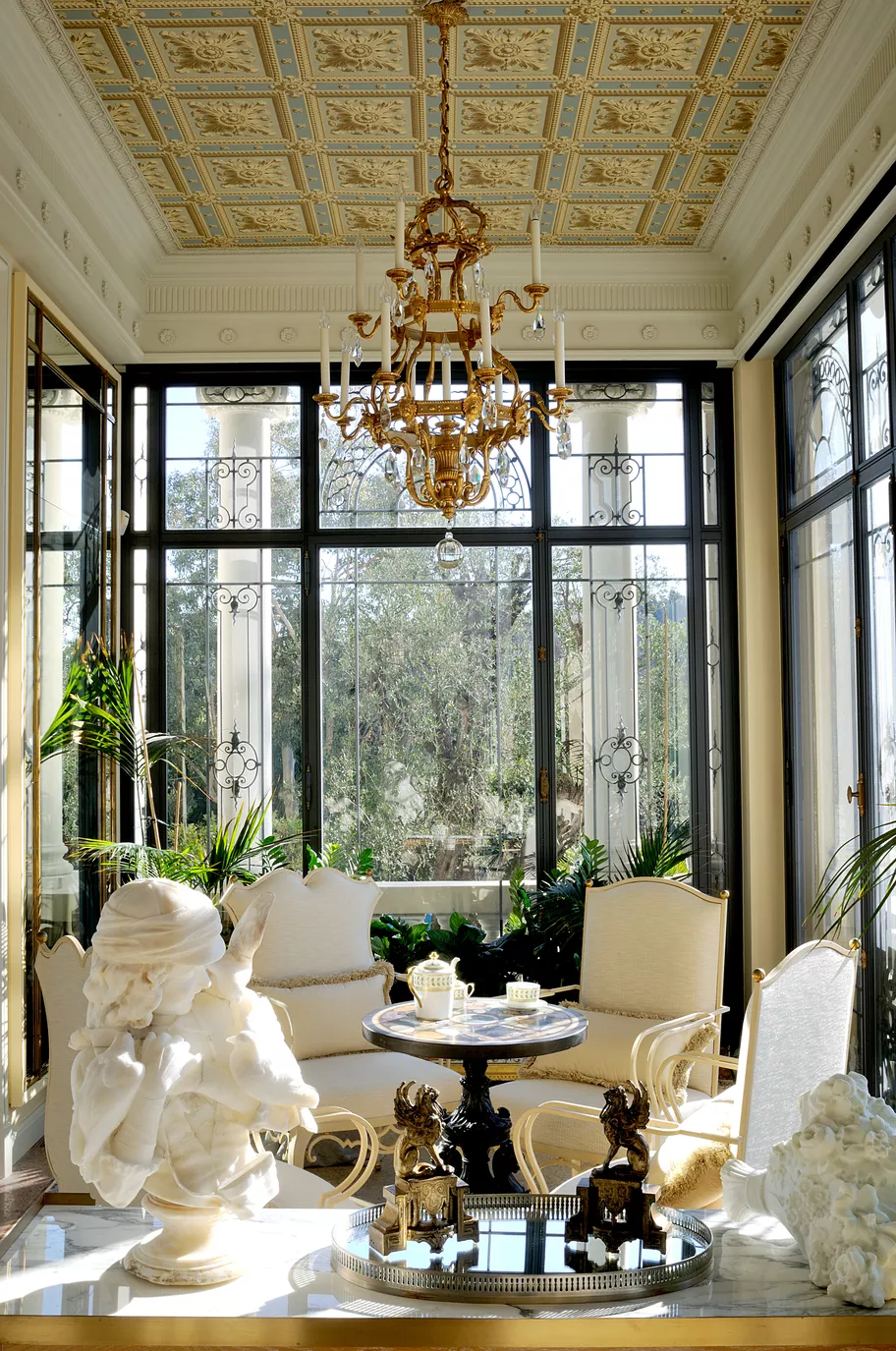
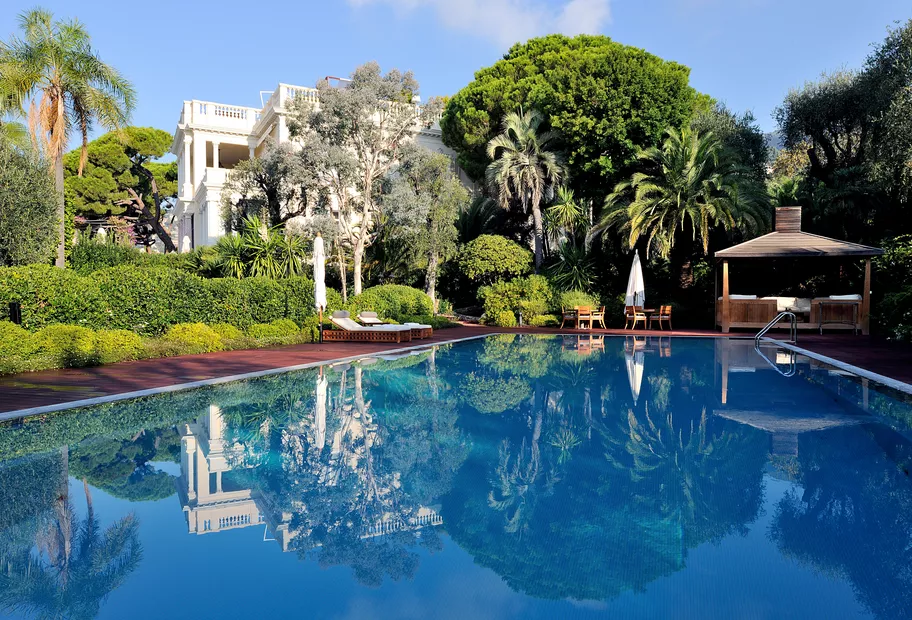
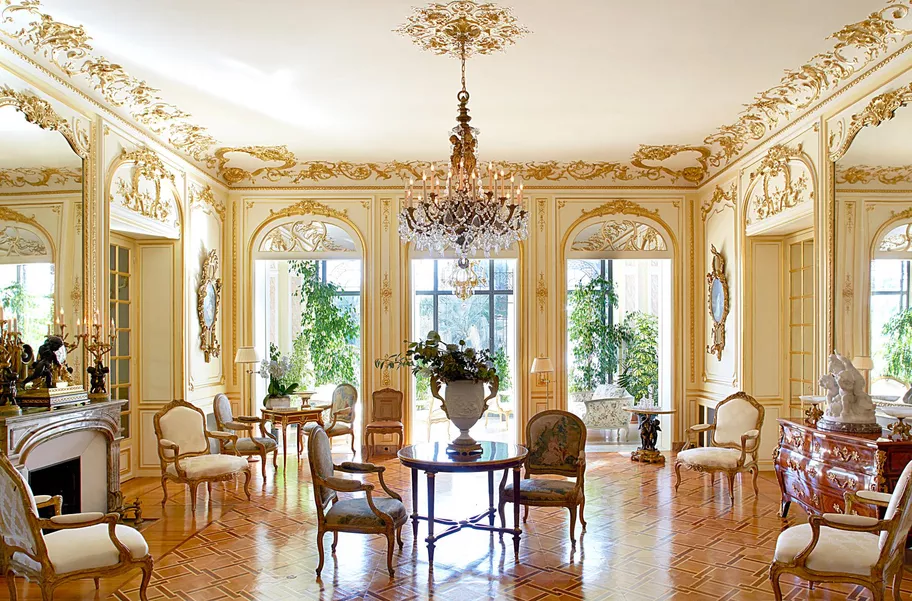
Just silence.
Over the years, it passed quietly between ultra-wealthy owners, remaining one of the Riviera’s most elusive properties—not because it’s hidden, but because it refuses to be accessible.
Ownership, Sanctions, and Modern Intrigue
In more recent years, the villa was acquired by Russian industrialist Viktor Rashnikov.
Then, in 2022, history added another unexpected layer: French authorities seized the property as part of sanctions tied to the war in Ukraine.
Even now, it remains closed off—high walls, screened gates, and only the faintest suggestion of what lies inside unless you’re out on the water looking back.
Why Nellcôte Still Pulls People In
Standing there talking to that family, it struck me how powerful the pull of a place like this really is.
You can’t go inside. You can barely see it.
And yet people travel across the world to stand outside its gates.
Because Nellcôte isn’t just a villa. It’s a convergence point:
Belle Époque ambition
Wartime myth
Rock ’n’ roll excess
Modern geopolitical tension
Most historic homes get cleaned up, explained, and packaged.
This one didn’t.
As we said goodbye, they headed toward the beach, satisfied they’d found it—even if all they really saw was a gate.
And walking away, I had the same thought that sparked this piece.
Some places don’t need to be seen to be felt.
Villa Nellcôte is one of them.


Comments